Emergency water removal · Toccoa & Stephens County
Burst pipe? Overflow? We come running.
Currahee Cleaning is IICRC certified in water damage restoration. We extract the water, dry the structure properly, and check it with moisture meters until it’s actually dry. Homes, churches, offices and rentals across northeast Georgia.
- On site within the hour, whenever we can
- 24/7 emergency line
- IICRC certified
1 hr Our goal, from your call to our arrival. Day or night.
While you wait for us
The next ten minutes matter.
A few simple moves keep the damage smaller and keep you safe. If you haven’t called yet, call first. We can talk you through the rest on the phone.
Call any time, day or night(706) 491-7530- Shut off the water. The main valve is usually where the line enters the house, or at the meter by the street. For a toilet, the valve is behind it near the floor.
- Kill the power to wet rooms at the breaker, but only if you can reach the panel without standing in water.
- Call us at (706) 491-7530. The sooner extraction starts, the more carpet, pad and drywall we can save.
- Take photos and video of the water and the damage before anything gets moved. Your insurance adjuster will want them.
- Lift what you can. Put foil or wood blocks under furniture legs, and pick up rugs, books, papers and anything else sitting on the floor.
- Don’t use a household vacuum to pick up water. It’s a shock hazard, and it can’t pull water out of the pad anyway.
- Don’t walk into a room where water is near outlets, cords or a plugged-in appliance.
- Don’t touch sewage water, and keep kids and pets out of it.
- Don’t turn on lights or ceiling fans under a wet, sagging ceiling. It can come down.
- Don’t wait to see if it dries on its own. Carpet pad, subfloor and the inside of walls hold water you can’t see.
Why the first hour matters
Every hour, water
goes further.
Scroll to watch what a leaking kitchen supply line does to a typical house when nobody stops it.
Water Mold growth Leak
-
The first hour
Water finds every low spot.
It runs under cabinets, soaks through the carpet into the pad, slides under the bottom of walls and starts wicking up the drywall. This is the window where fast extraction saves the most.
-
Hours 1 to 24
Materials start to give.
Drywall swells and softens. Baseboards and door trim swell. Furniture legs can bleed stains into wet carpet, and the house picks up that musty smell.
-
Hours 24 to 48
Mold gets its chance.
Mold can start growing within 24 to 48 hours. Clean water that has sat this long, or soaked through dirty carpet, can turn into gray water, and the cleanup gets bigger.
-
Day 3 and beyond
Drying turns into tear-out.
Wood floors cup and buckle. Subfloor can come apart. Mold spreads inside the walls. A job that could have been dried in place becomes a demolition and rebuild.
Don’t wait. Call (706) 491-7530
What kind of water is it?
Where it came from
changes the job.
The IICRC sorts water into three categories by how contaminated it is. Pick your source to see what that means for your family and what we’ll do about it.
Burst or frozen pipe
Clean water
A broken supply line starts out as clean water. Shut off the main and call. This is the kind of loss that responds best to a fast start.
- What it means for you
- It comes from a clean source, so the health risk is low. The catch is time: after a day or two, or once it soaks through dirty carpet, clean water can turn into gray water.
- What we’ll do
- Extract it, dry the structure in place, and check it with meters. When we get there quickly, carpet and pad can often be saved.
How we dry it out
Dry isn’t a feeling.
It’s a reading.
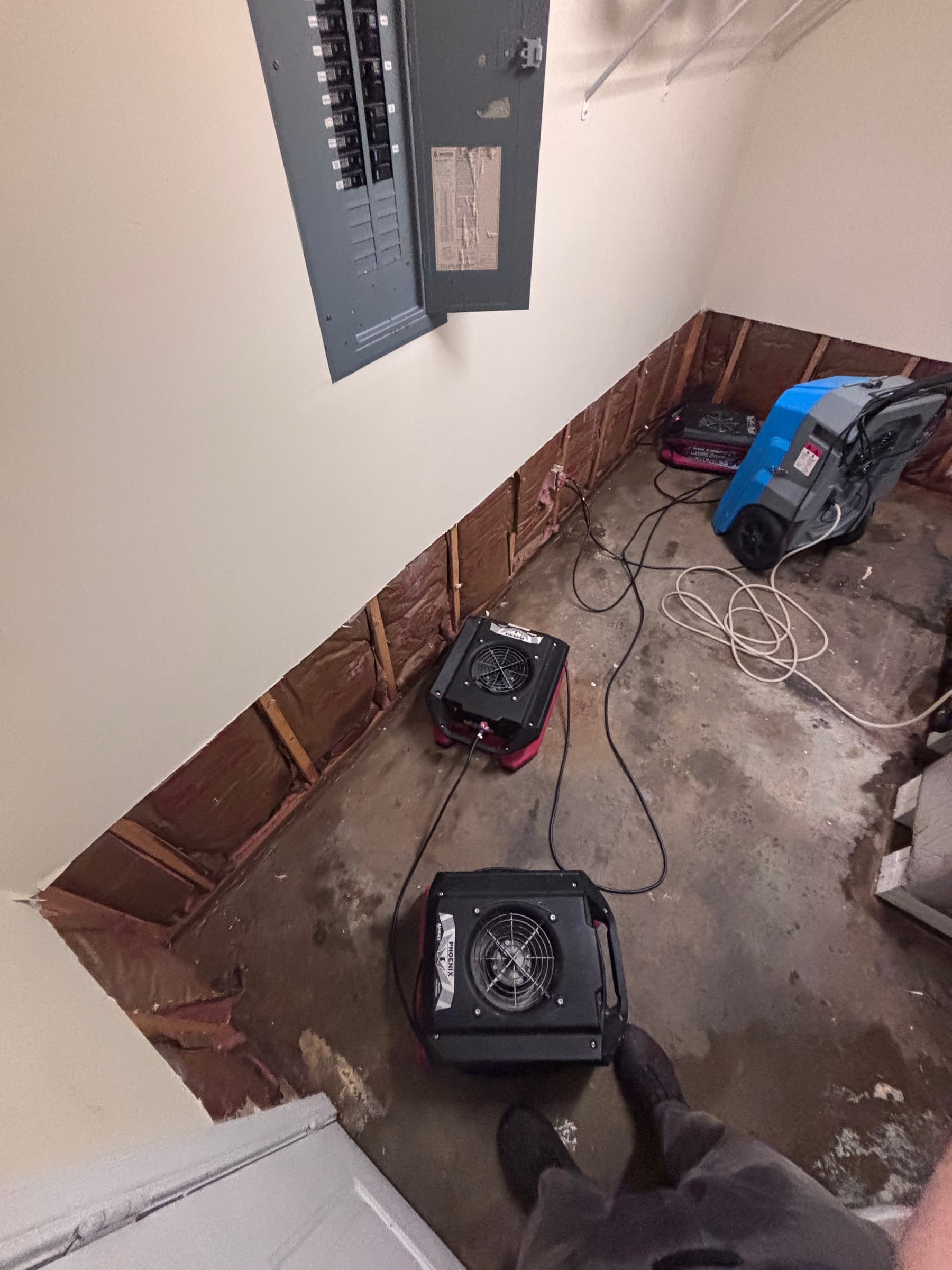
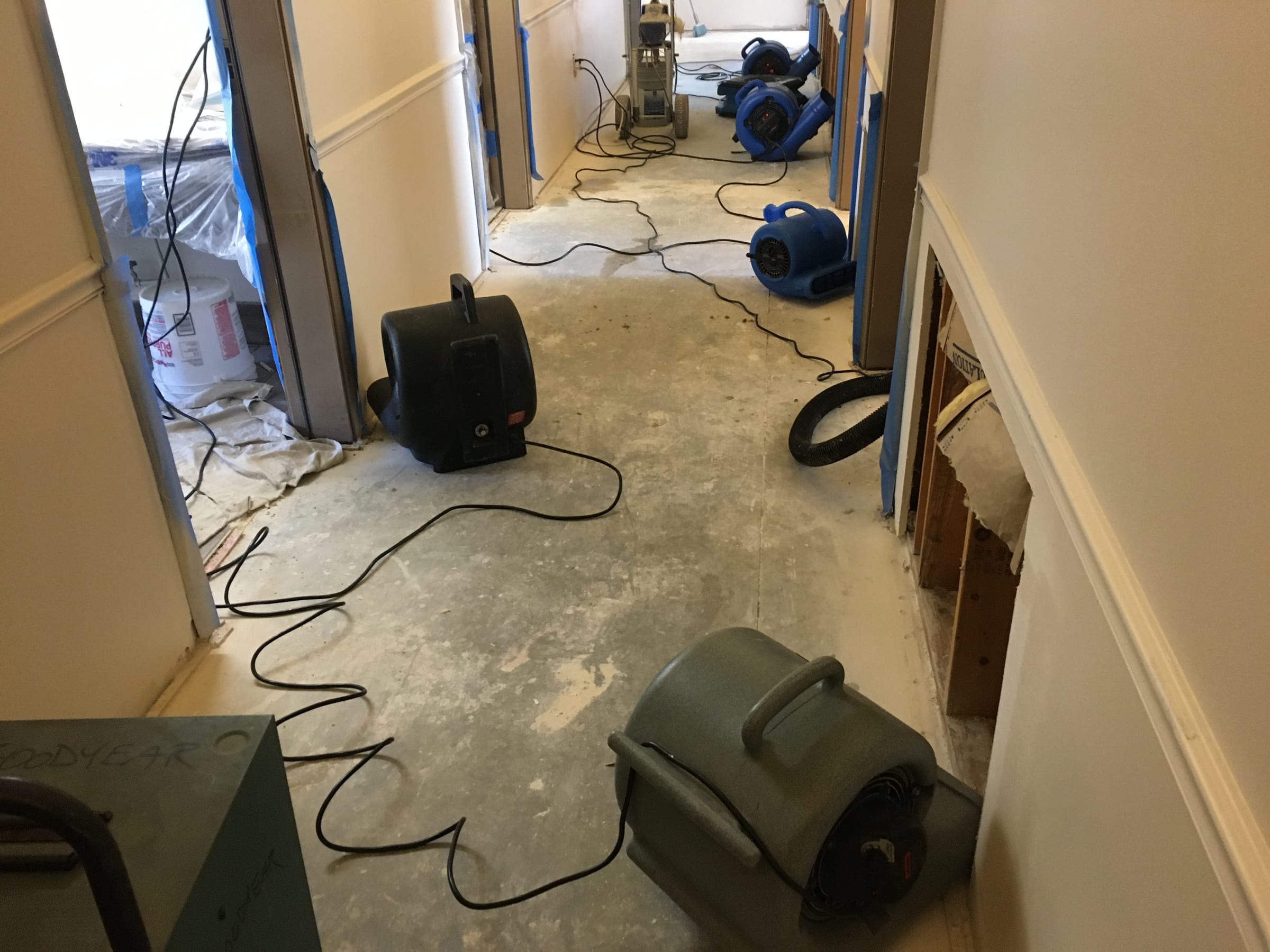
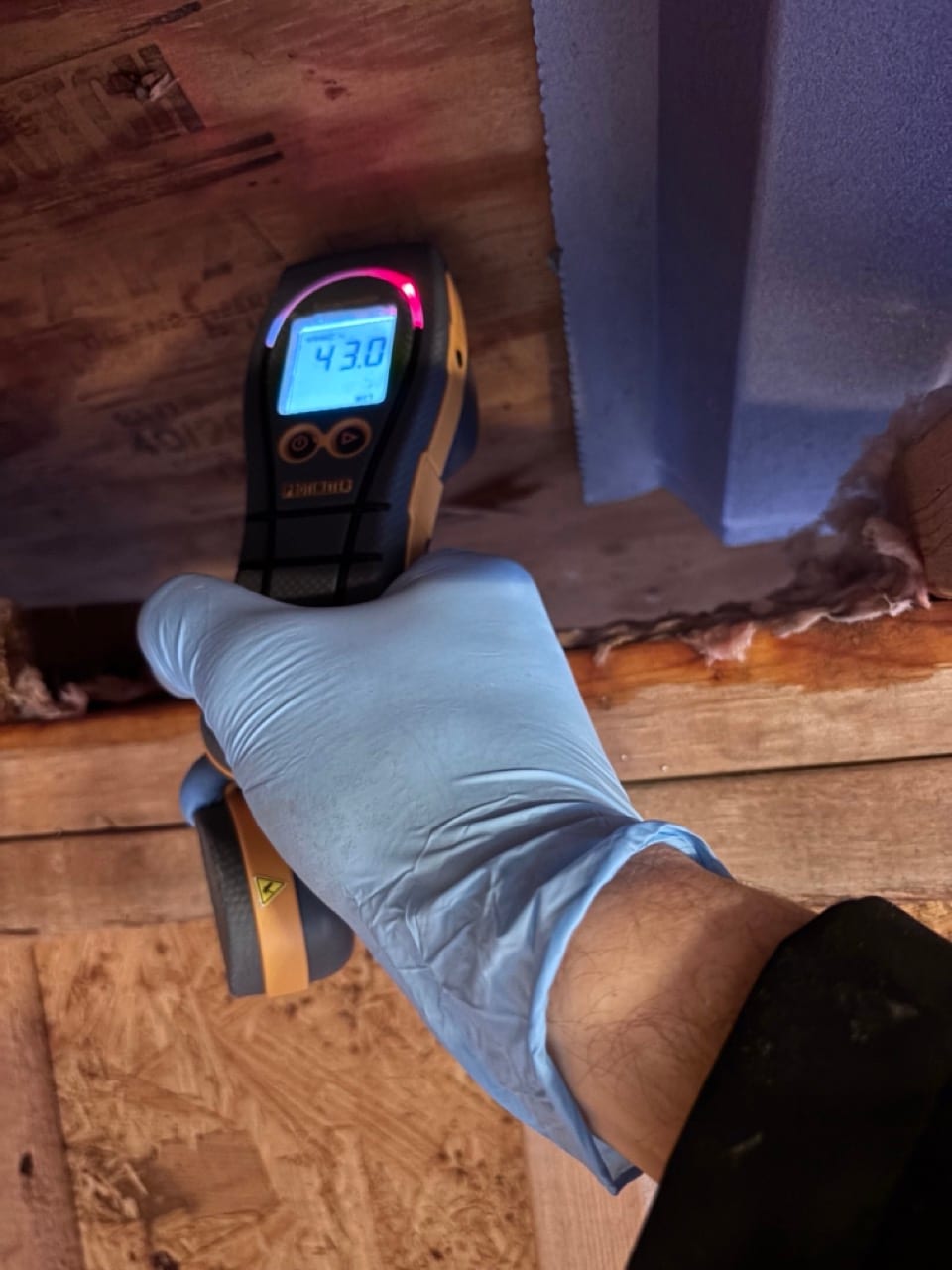
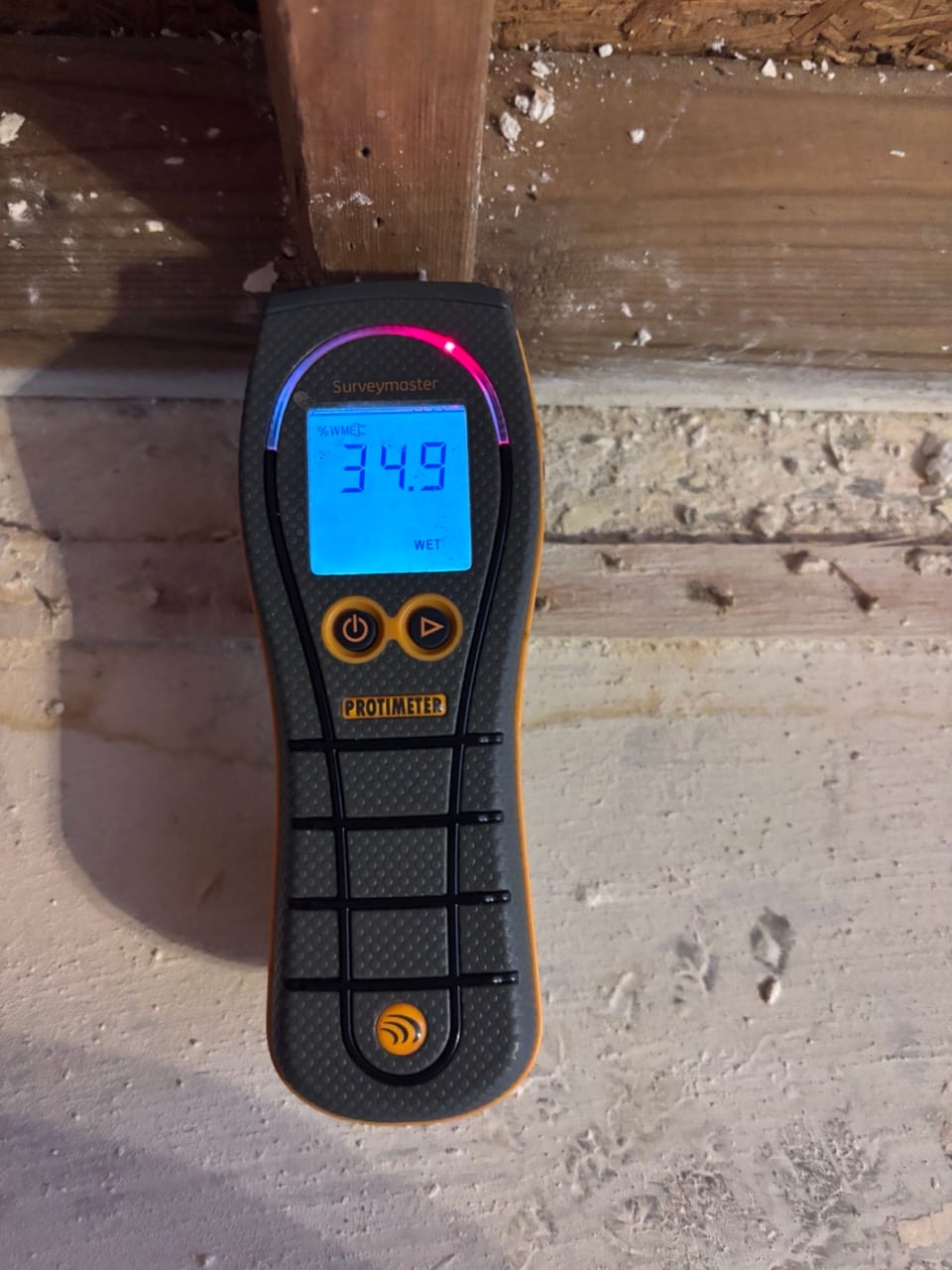
Carpet can feel dry on top while the pad, subfloor and walls are still wet. We measure, set the equipment, and keep measuring until every reading matches the dry parts of the house.
An illustrated drying curve. Every job is measured, not guessed.
-
Hour one on site
Find it and map it
We make sure the source is stopped, identify the water category, and use moisture meters to find how far it really traveled. That’s usually well past the wet spot you can see.
-
Hours one to three
Extract
Truck-mounted extraction pulls standing water out of the carpet and pad. Every gallon we pull out is a gallon that doesn’t have to evaporate, so the drying goes faster.
-
Days one to five
Dry and monitor
Air movers and dehumidifiers are set for your rooms and materials. We come back to take readings and adjust the equipment as things dry.
-
Final visit
Verify and reset
When the readings match unaffected parts of the house, we pull the equipment, clean the carpet, and leave the room ready to live in again.
Who’s coming to your door
Trained to dry it right.
Honest about when we can come.
Matt Wood is IICRC certified to restore and properly dry out homes and facilities after water damage. That training is the difference between a floor that looks dry and a structure that is dry, with no mold waiting behind the baseboards.
- Burst pipes and slow-leaking pipes
- Toilet backups and overflows
- Water heater, washer, dishwasher and ice maker leaks
- Homes, rentals, churches, offices and restaurants
Meet Matt and the crew →“I try my hardest to get to every emergency call within the hour. If I’m already tied up and can’t get to you fast enough, I’ll call the restoration companies I trust and get someone there. Nobody should sit in a flooded house waiting on a voicemail.”
Water damage questions
Straight answers,
fast.
We try our hardest to be on site within the hour, day or night. If we’re on another job and can’t reach you fast enough, we’ll call restoration companies we trust and get someone to you. Either way, call (706) 491-7530 first.
Most homes reach dry standard in about three to five days. Hardwood, plaster, and water that sat a while can take longer. We take readings as we go, so we know when it’s done instead of guessing.
Often, yes, when the water is clean and we get to it quickly. Pad soaked with gray water has to be replaced, and carpet soaked with sewage has to go. We’ll tell you plainly what can be saved before we start.
That depends on your policy and on what caused the water, so give your agent a call. We take photos and moisture readings throughout the job, which gives your adjuster a clear record of what happened and what was done.
Yes. Offices, churches, restaurants, rentals and small facilities. We’ll work around your hours wherever we can, so you can stay open.
With clean water and the power off in wet rooms, usually yes. With sewage, keep kids, pets and anyone with a weak immune system away from the area until it has been cleaned and sanitized.
Water coming in right now?
Call.
A real person answers.
Day or night. Tell us what happened and where, and we’ll be on our way. Not a call center, just the local crew that’s been drying out Toccoa since 2002.
(706) 491-7530